Sustainable Management

Where we build,
We also take care

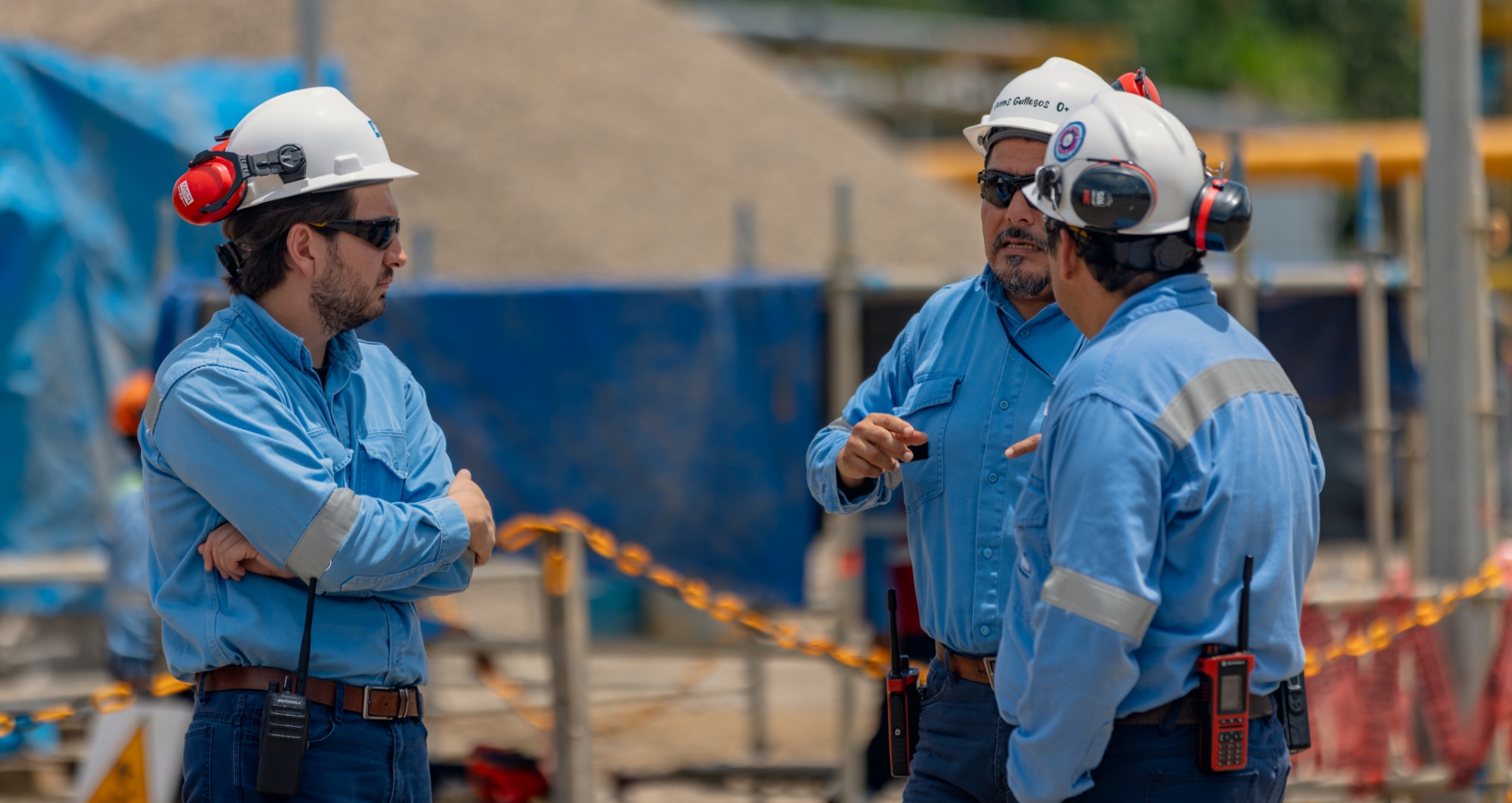
At SEPCON, sustainable management is a structural part of how we operate. Our integrated management system articulates quality, safety and environmental performance under the same framework, ensuring that each project is executed with awareness of the impact it generates on the environment, the communities and the generations that will come later.

Integrated management system

Led by senior management, our integrated management system articulates the processes of quality, safety, occupational health and environmental performance at the corporate level. Each operation is executed under auditable procedures, measurable indicators and continuous improvement mechanisms that guarantee consistency in each project.

Principles that guide our operation

Human Rights Policy

Guidelines to protect and respect human rights in our operations.
See PDF →

alcohol and drug policy

Preventive rules to maintain safe environments and responsible operations.

See PDF →

QHSE policy

Commitment to quality, health, safety and environmental management in each project.
See PDF →

We build infrastructure. We take care of what surrounds it.

Environmental Commitment

Responsible management of resources, reduction of environmental footprint and operational practices aligned with sector standards.

Social Responsibility

Generation of shared value with the communities where we operate.

Governance and Ethics

Transparency, regulatory compliance, and comprehensive business practices in each relationship.

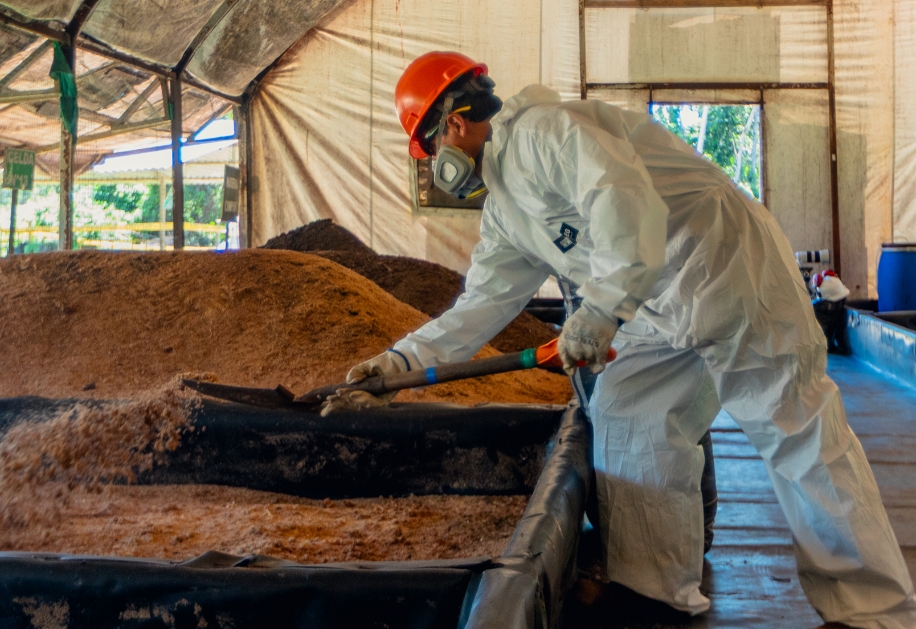
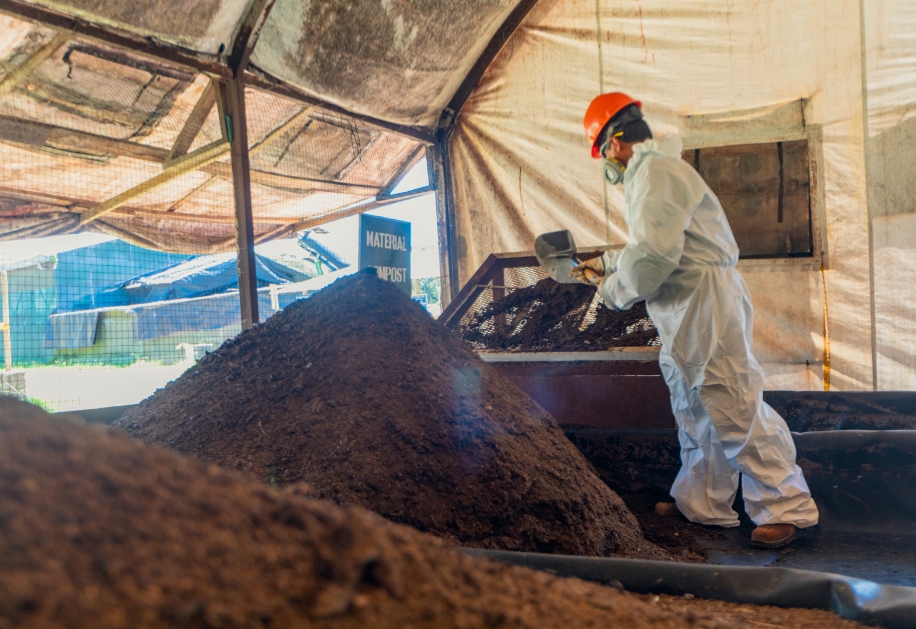
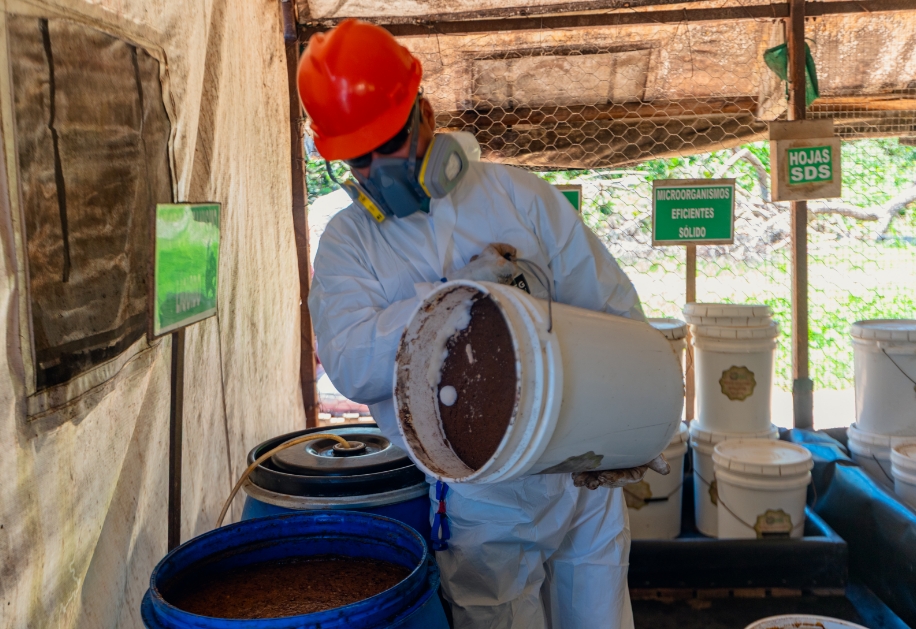
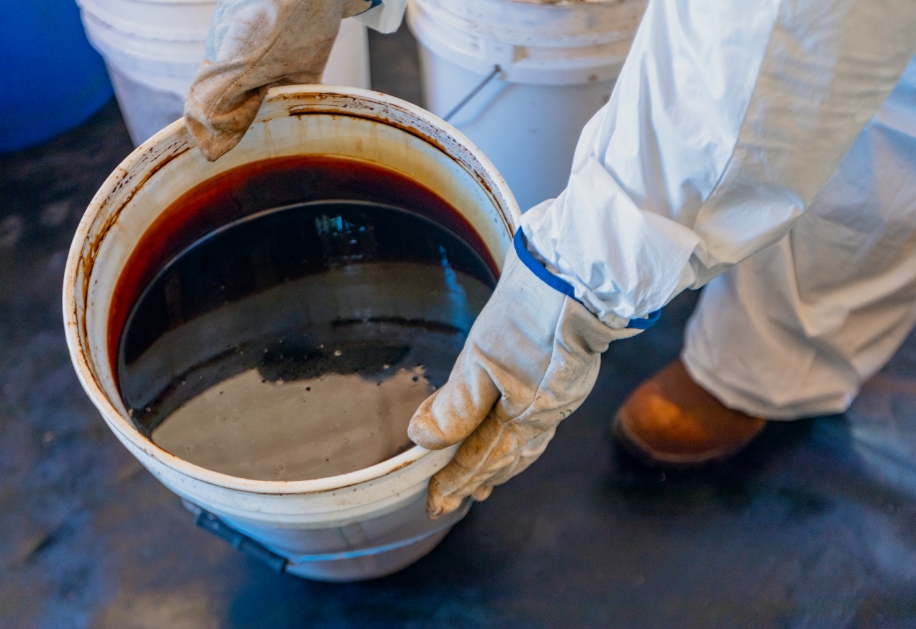
Composting and waste management

 
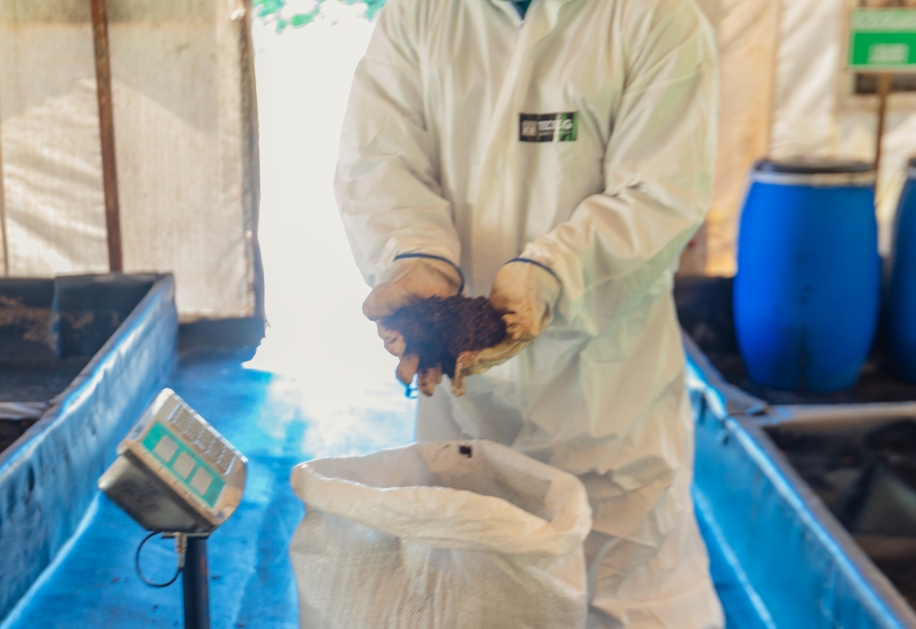
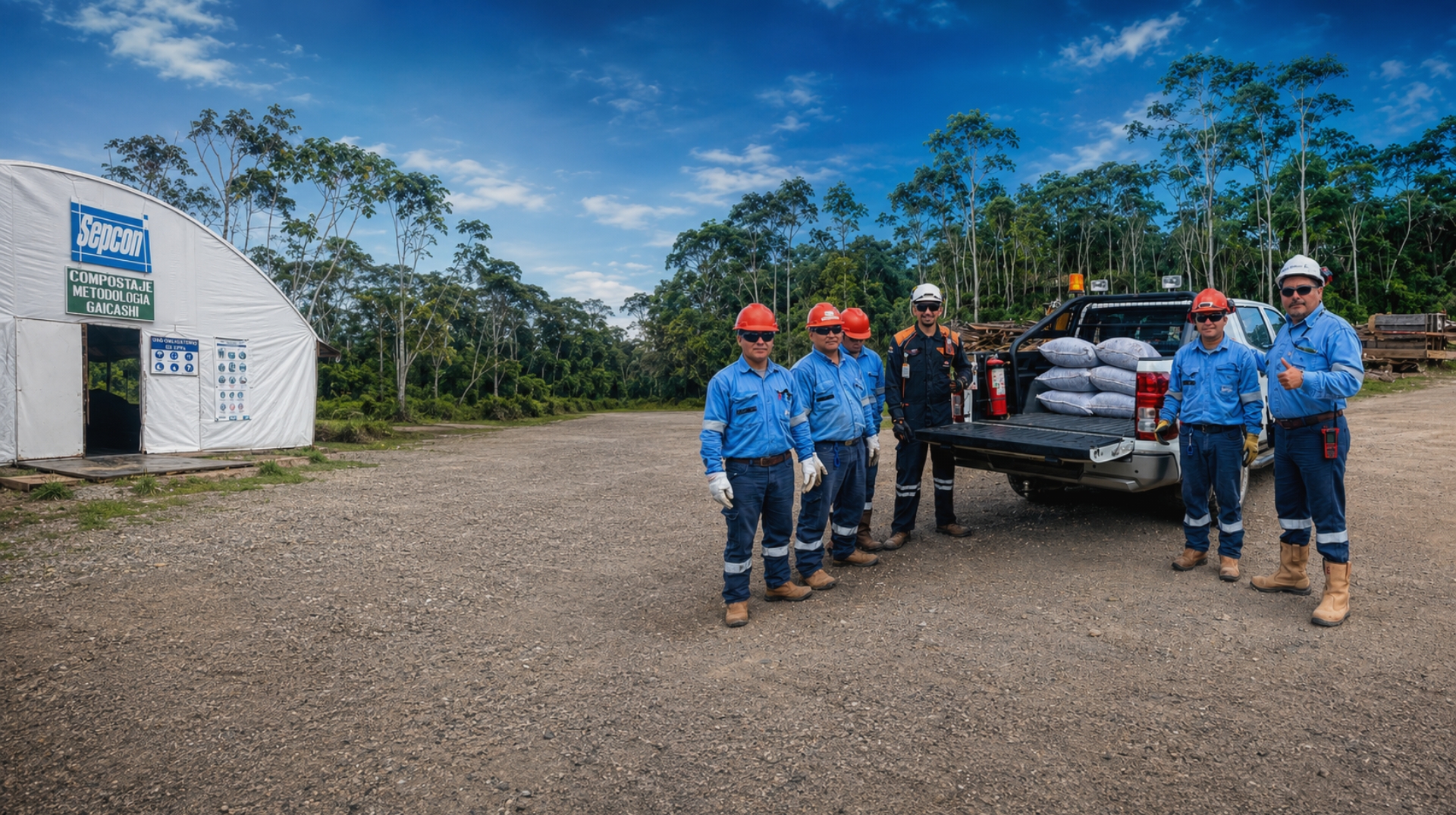
We implemented work composting systems that transformed 100+ tons of organic waste into useful fertilizer for local communities between 2024 and 2026.

Responsible Collection

Collection of organic waste from construction site camps.

Controlled Transformation

Biological transformation under controlled humidity, temperature, and aeration conditions.

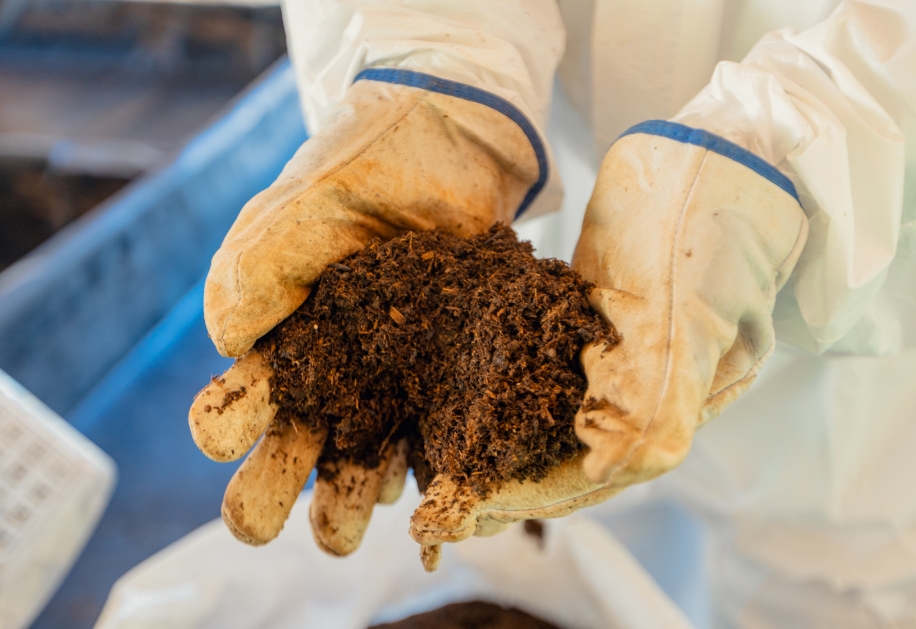
Quality Compost

Production of certified compost, rich in nutrients: 2.02% nitrogen and 69% organic matter.

Shared Value

Compost delivery to local communities in the areas where we operate.

Positive Impact

Application of compost in crops and reforestation, contributing to biodiversity and soil health.

30
+
Tons of compost produced

Result of the technical process of transformation of organic waste on site.

22
+
Tons donated to local communities

Compost delivered for use in crops, reforestation and soil improvement.

Suppliers and
local labor

Beyond compliance, we generate shared value through employment, training and development of suppliers in each region where we execute projects.

80%Local contracting of unskilled labor
482Local active providers in our network

Efficiency
Operative

Resource optimization, logistics planning and operational practices that reduce energy consumption, emissions and waste in each project.

45+Tons of CO₂ equivalent avoided between 2024 and 2026
0Environmental accidents in 23 years of operation