Composting program at SEPCON: Initiative to Institutional Standard
Two years after its implementation, the Gaicashi methodology consolidates the SEPCON composting program
An initiative born in the Kinteroni project, today extended to all the company's operations.
Lima, Peru — March 30, 2026
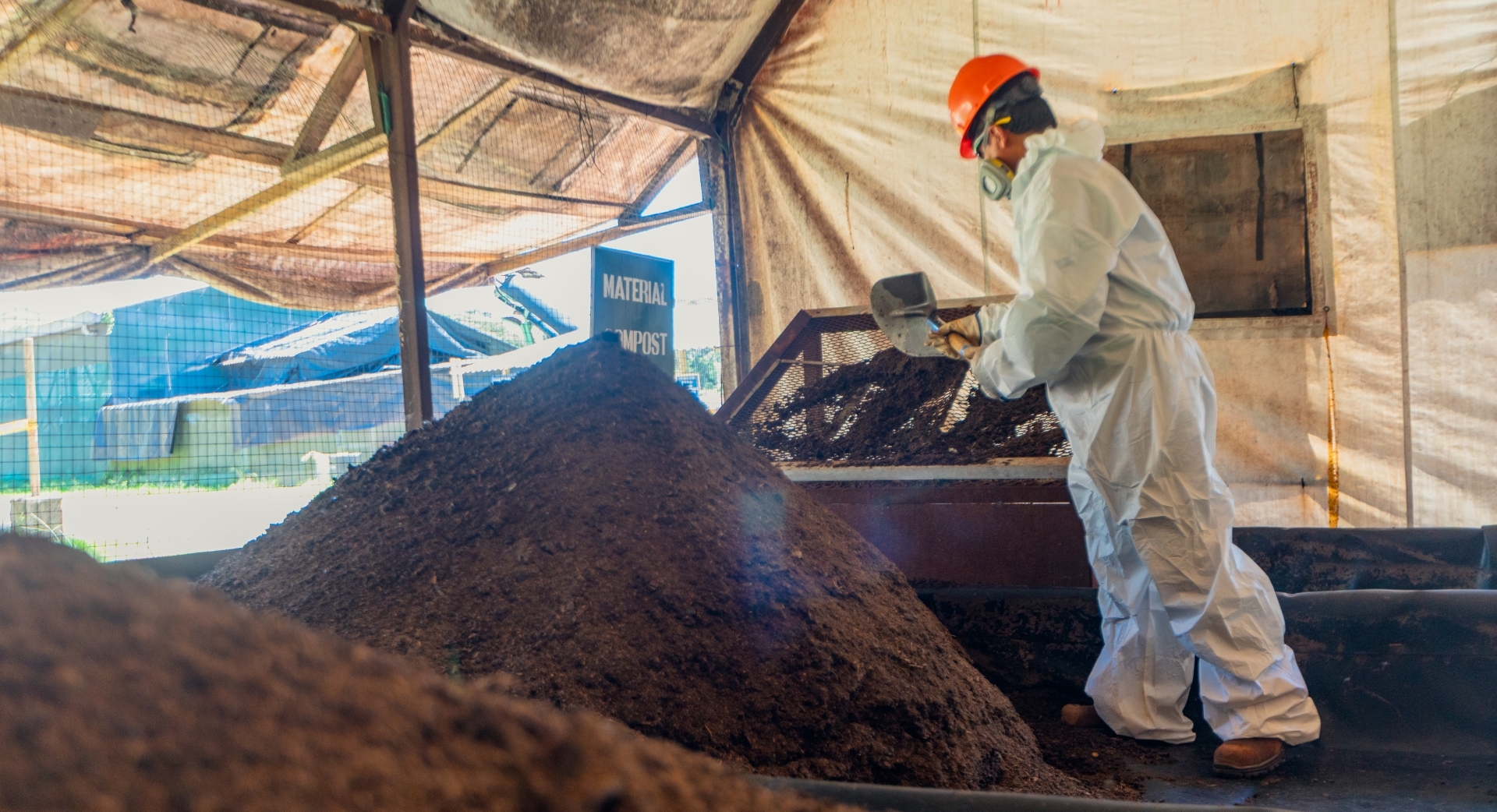
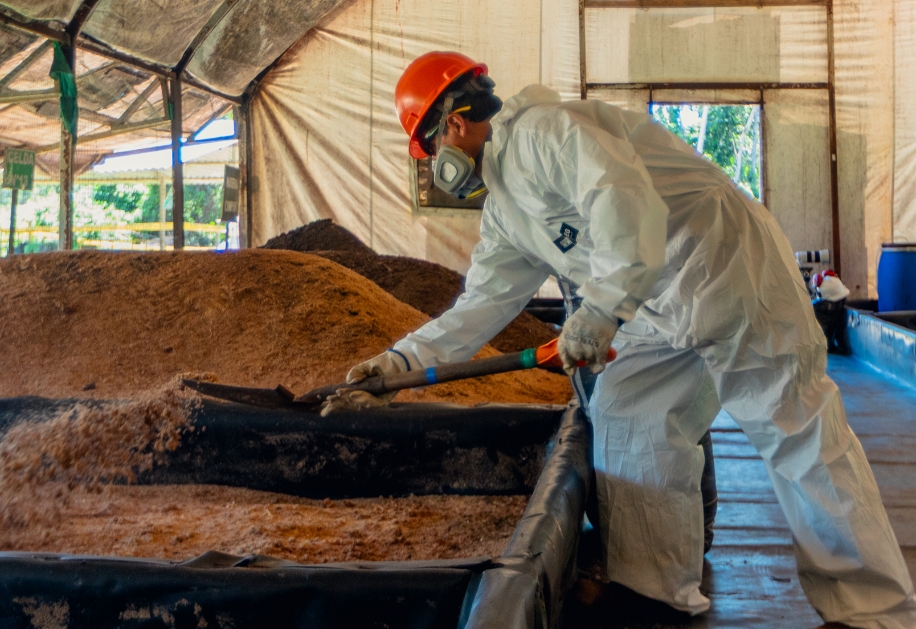
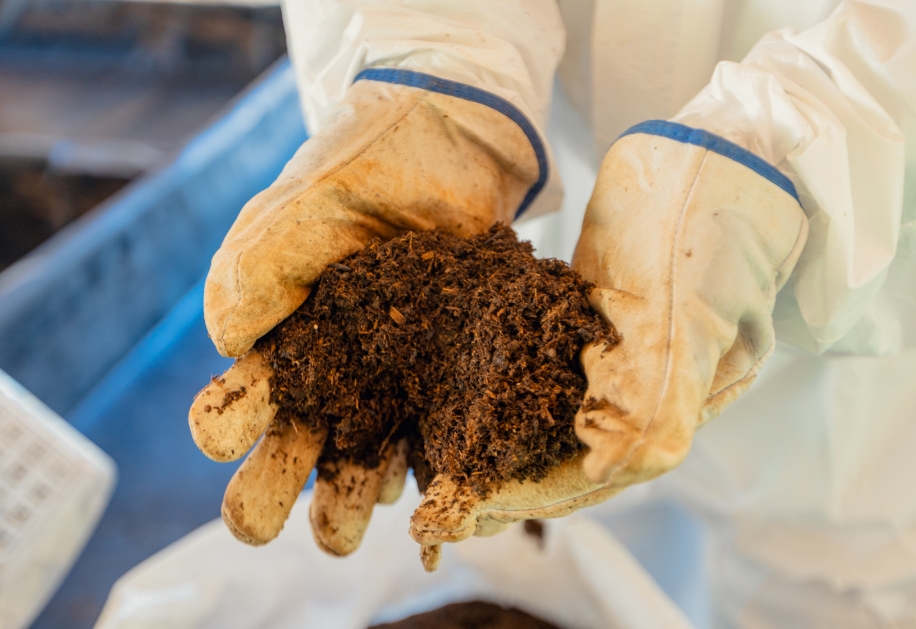
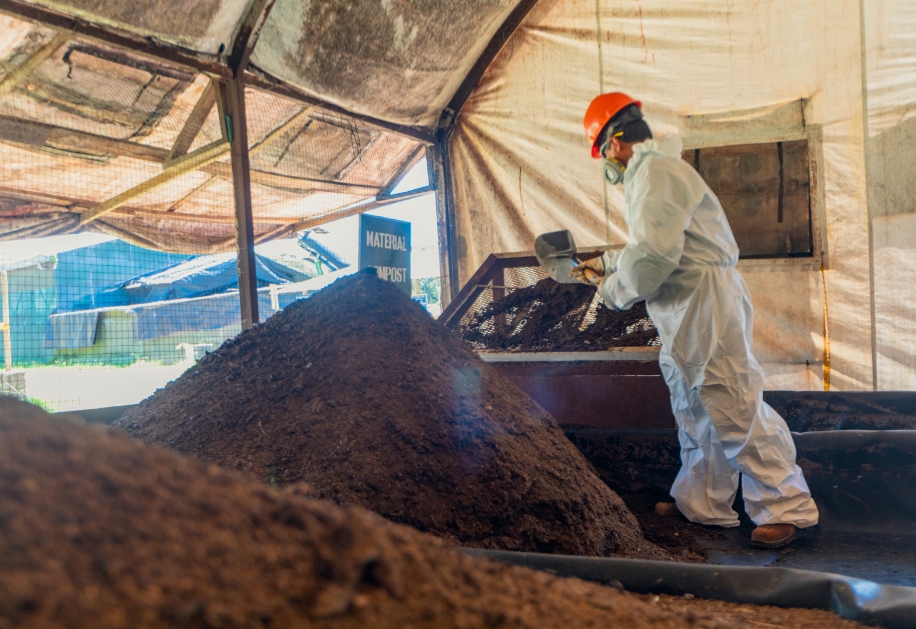
In April 2024, during the execution of the Kinteroni pile screens, SEPCON developed and implemented the Gaicashi methodology for the first time, its own aerobic composting system designed to process organic waste generated on site and convert it into High quality compost. Two years later, the initiative has established itself as one of the most representative practices of the company’s environmental management.
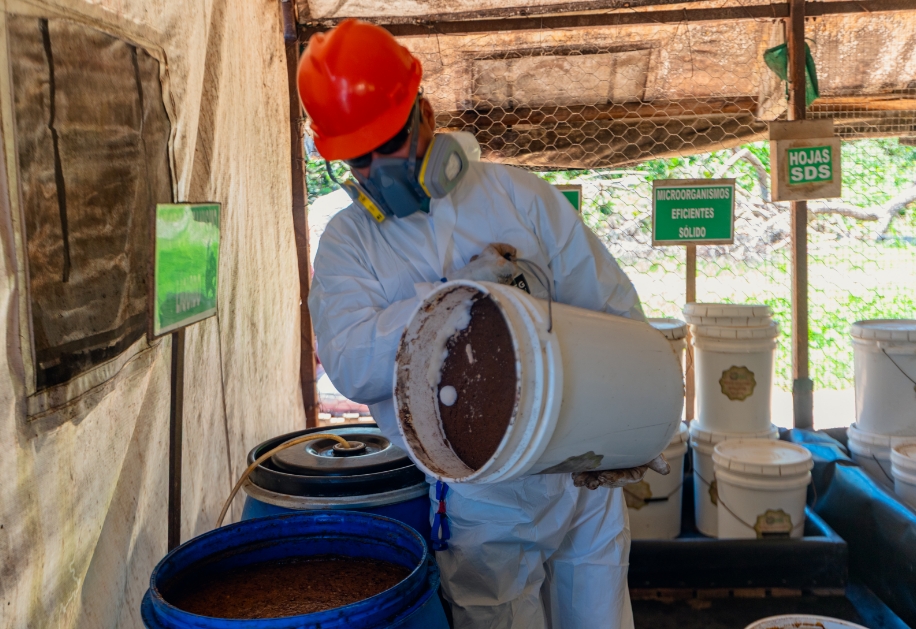
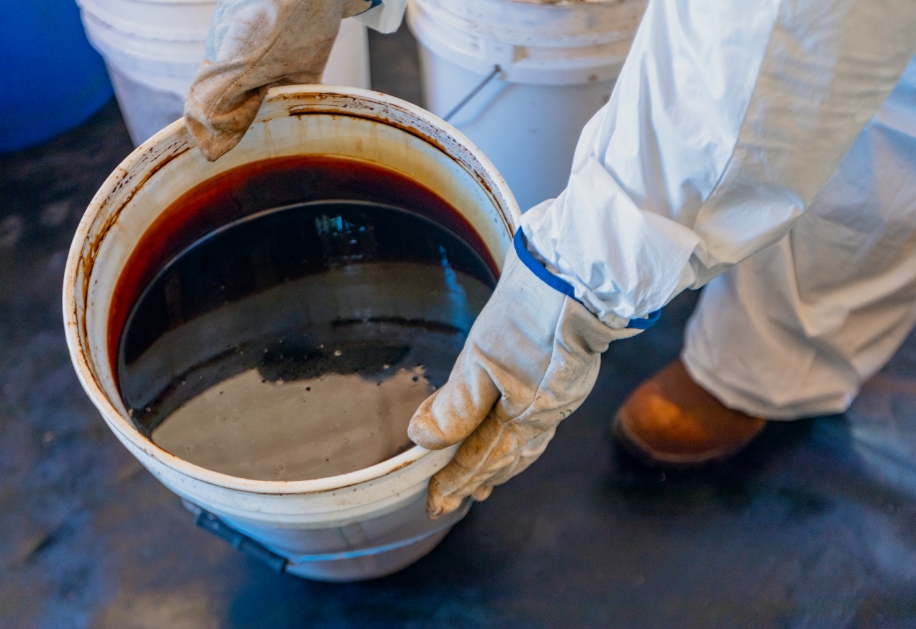
The methodology combines inoculation with effective microorganisms, molasses and sawdust, achieving accelerated decomposition without generating unpleasant odors, vectors or leachate. During Kinteroni’s execution, the client’s supervision formally recognized the practice as a positive aspect in its inspection record, highlighting its differentiation compared to other techniques applied in lot 57.
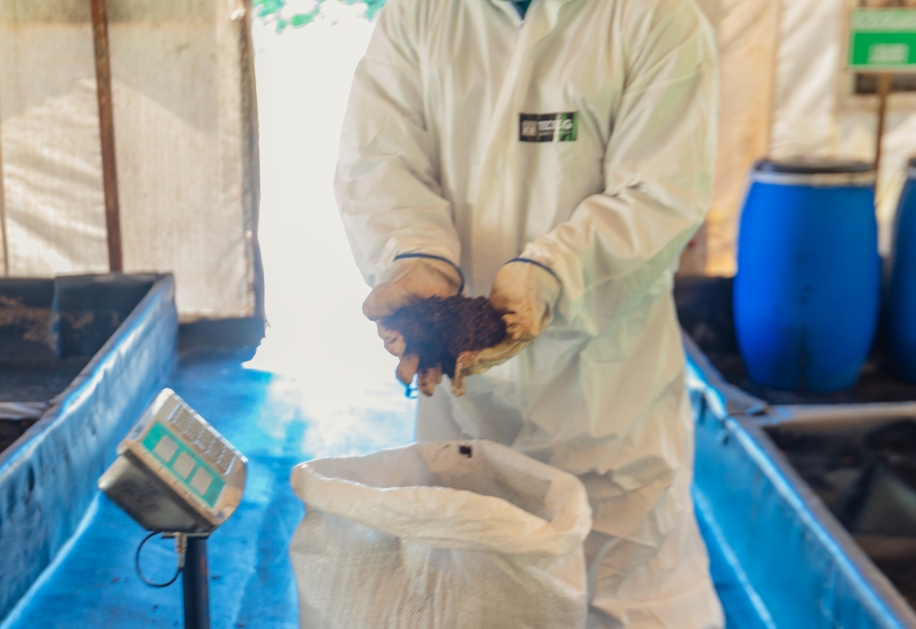
From that recognition, SEPCON scaled the methodology to the rest of its operations. Today, Gaicashi is part of the sustainable management standard deployed in all the company’s projects, with verifiable results: more than 30,000 kg of compost generated and more than 22,000 kg donated to local communities.
The compost produced is delivered to communities close to the operating zones, contributing to the regeneration of soils, the agricultural recovery and the closure of a value cycle between the work and the environment where it is executed. For SEPCON, the program is a concrete expression of how sustainable management ceases to be a declarative commitment to becoming a measurable and sustained practice over time.