An underground challenge
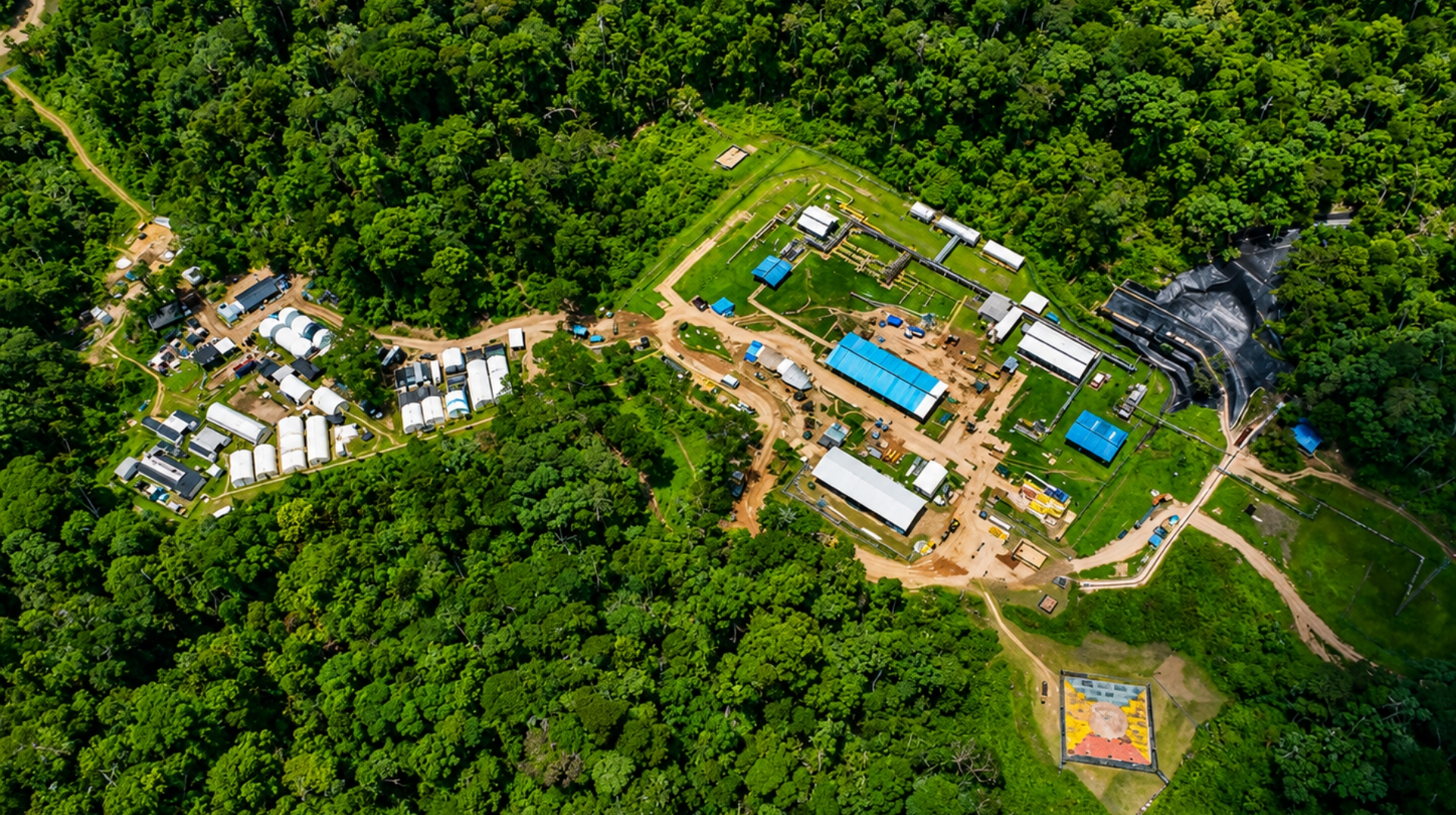
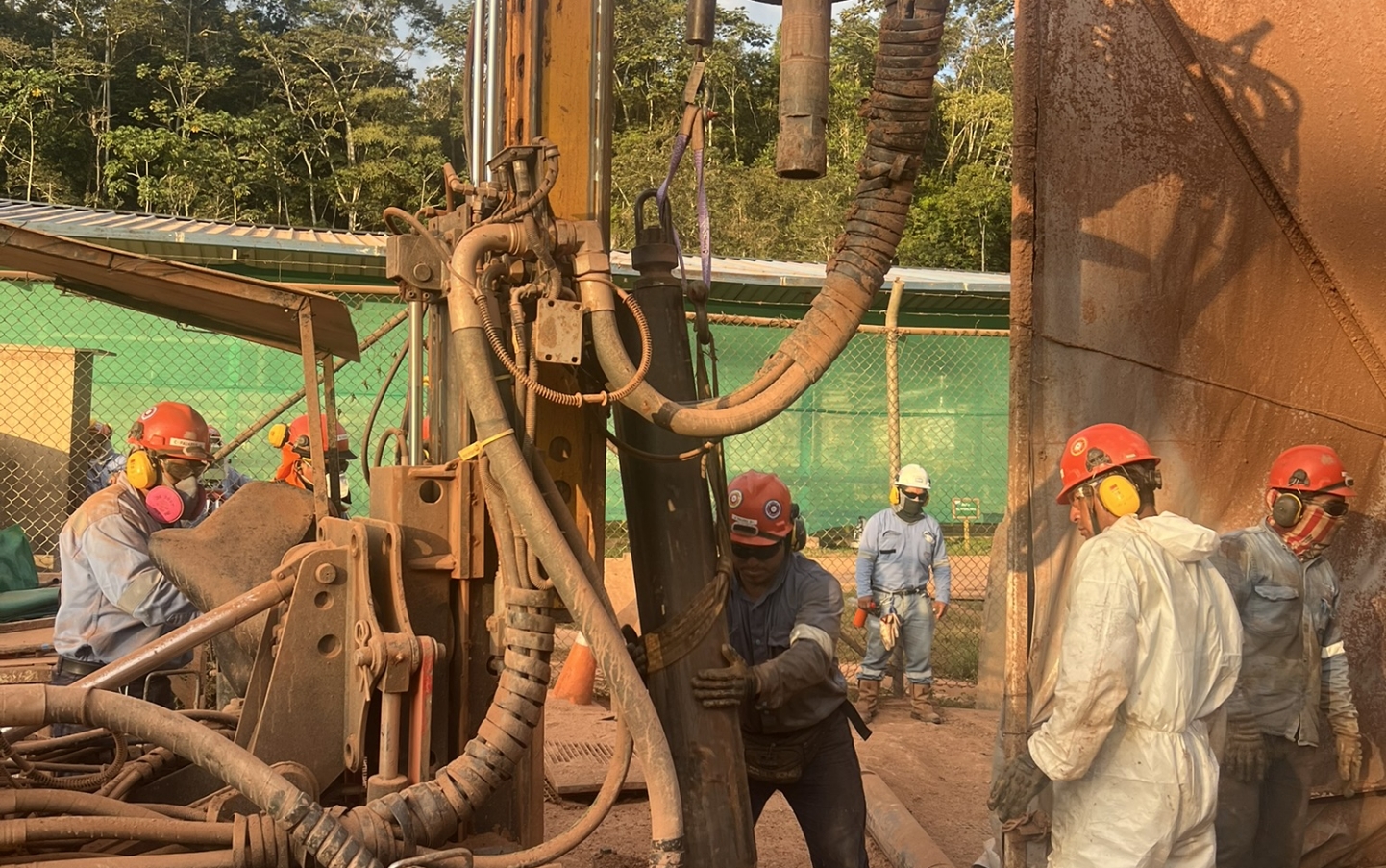
At 25 meters below the Kinteroni surface, a geological fault passes that puts the operation of the production wells at risk. The solution could not be built up: it had to be anchored down, with sufficient precision to guarantee the stability of the ground for decades..
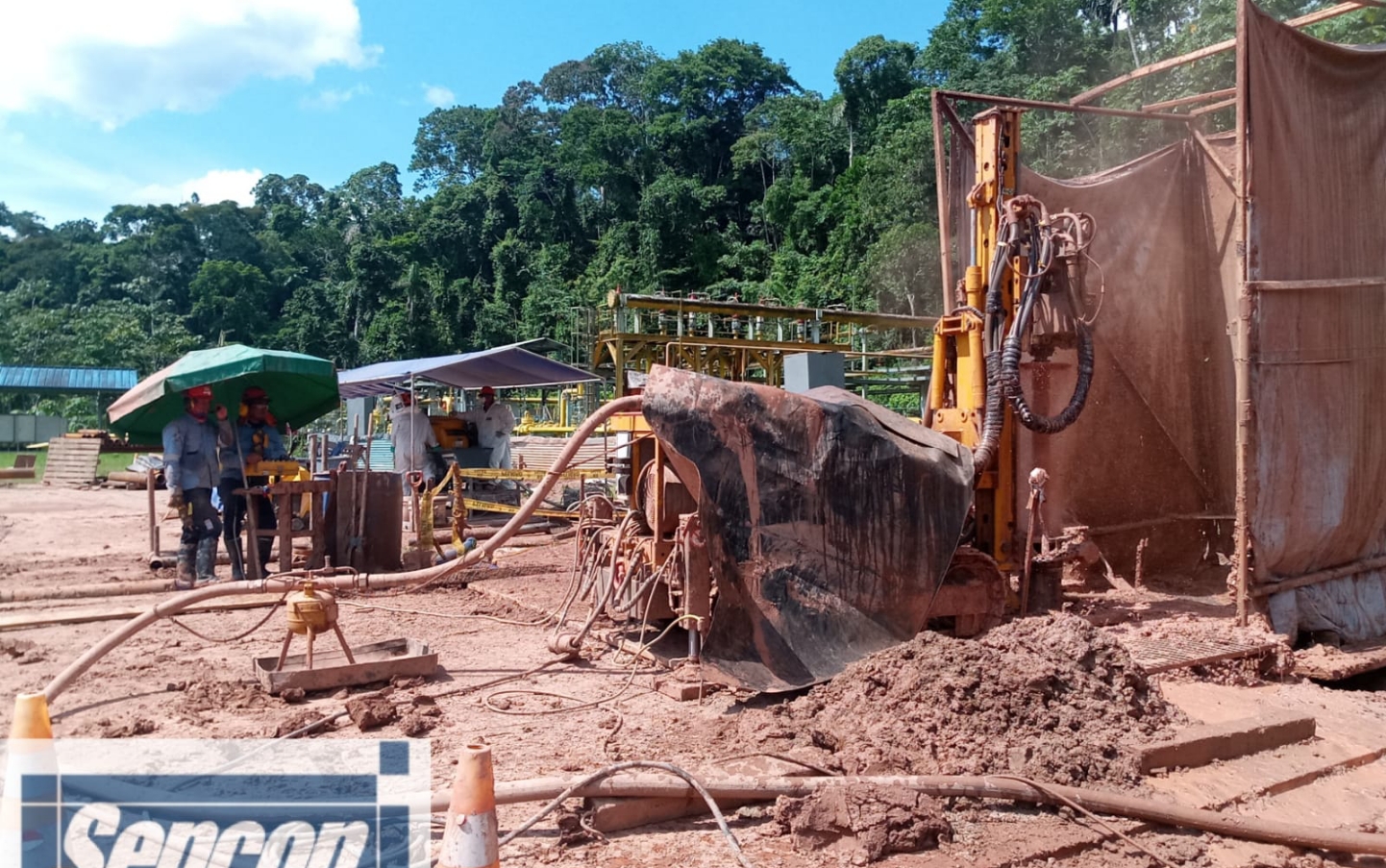
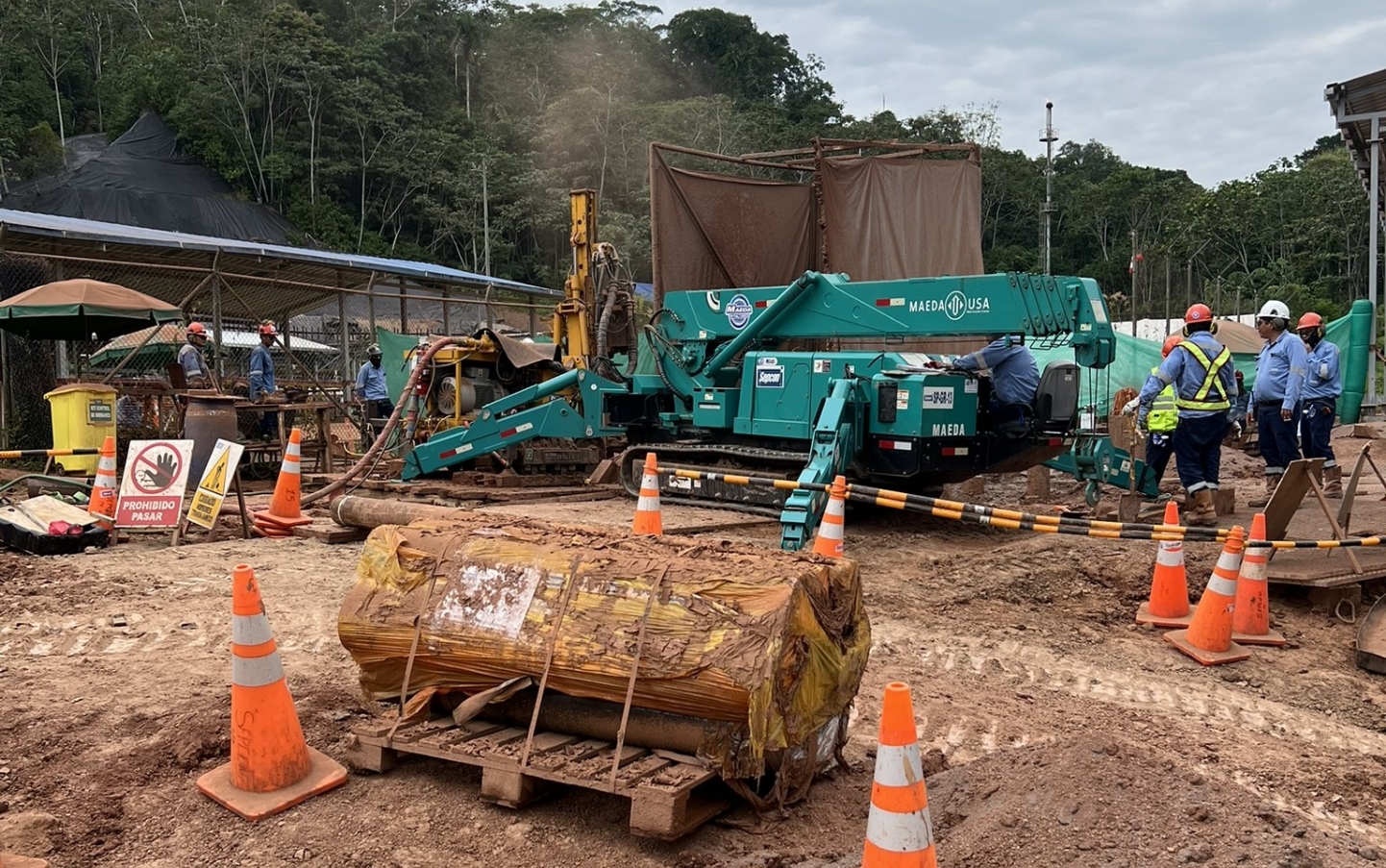
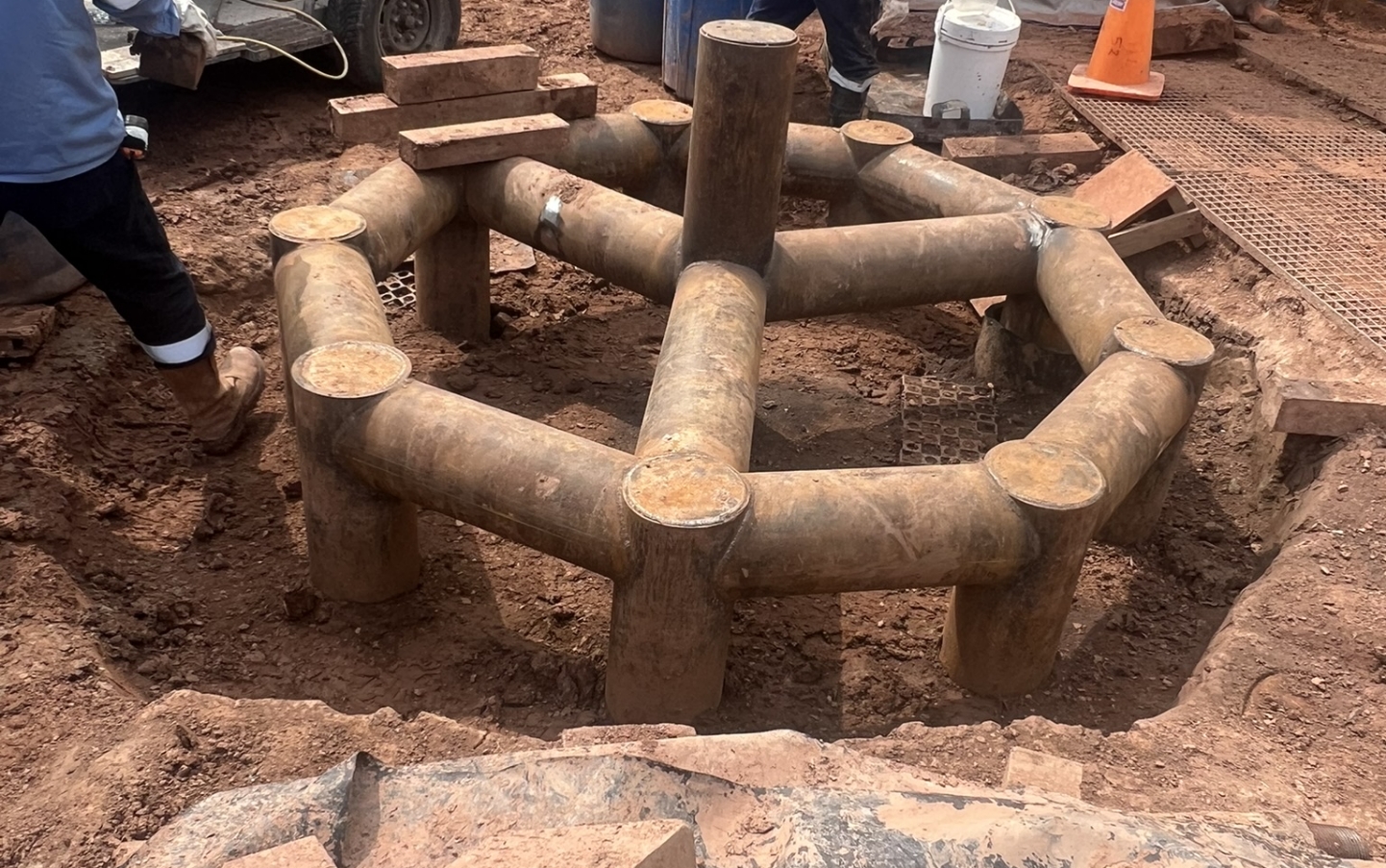
The project integrated four disciplines in parallel — perforation, metal structures, civil works and Amazonian logistics — under the same schedule. Each pile, welded in segments of 1.5 meters and installed at a depth of 40 meters, is part of two containment screens that protect the cellar where the wells operate. The 46 active anchors complete a system designed to sustain the structural integrity of the entire platform.
Execution on site
1.840
meters of anchor drilling
450
tons of structural steel installed
507
m³ of earthworks
250
m³ of emptied concrete
100
m³ of injected grout
disciplines applied in the project
Drilling
8” metal piles by mixed system (trialeta and DTH) and 40 m active anchors
Metal structures
Welding of pile segments, braces between keisons and anchor brackets
Civil works
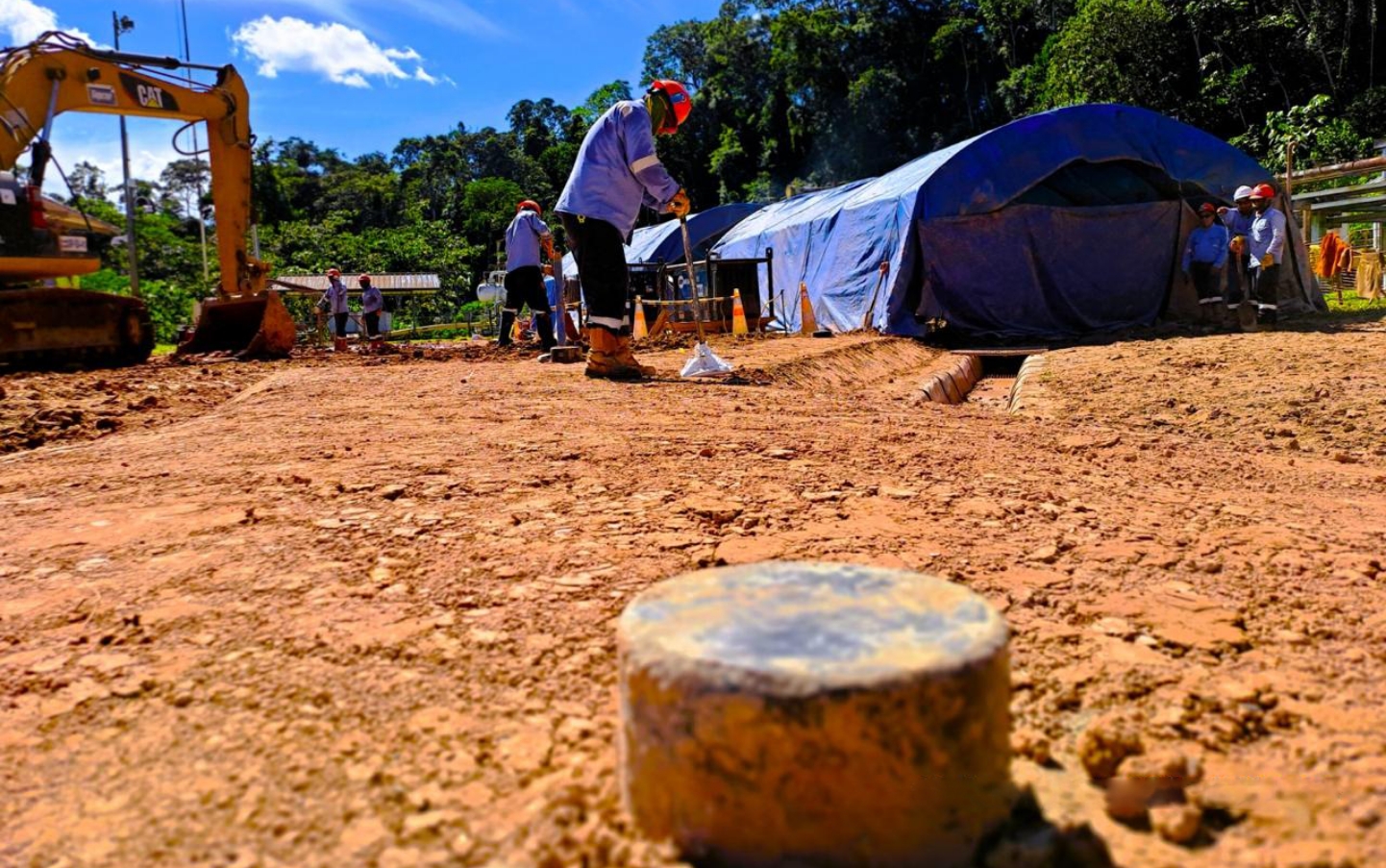
Excavation, pits, filling, compaction and recomposition of the ground
Multimodal logistics
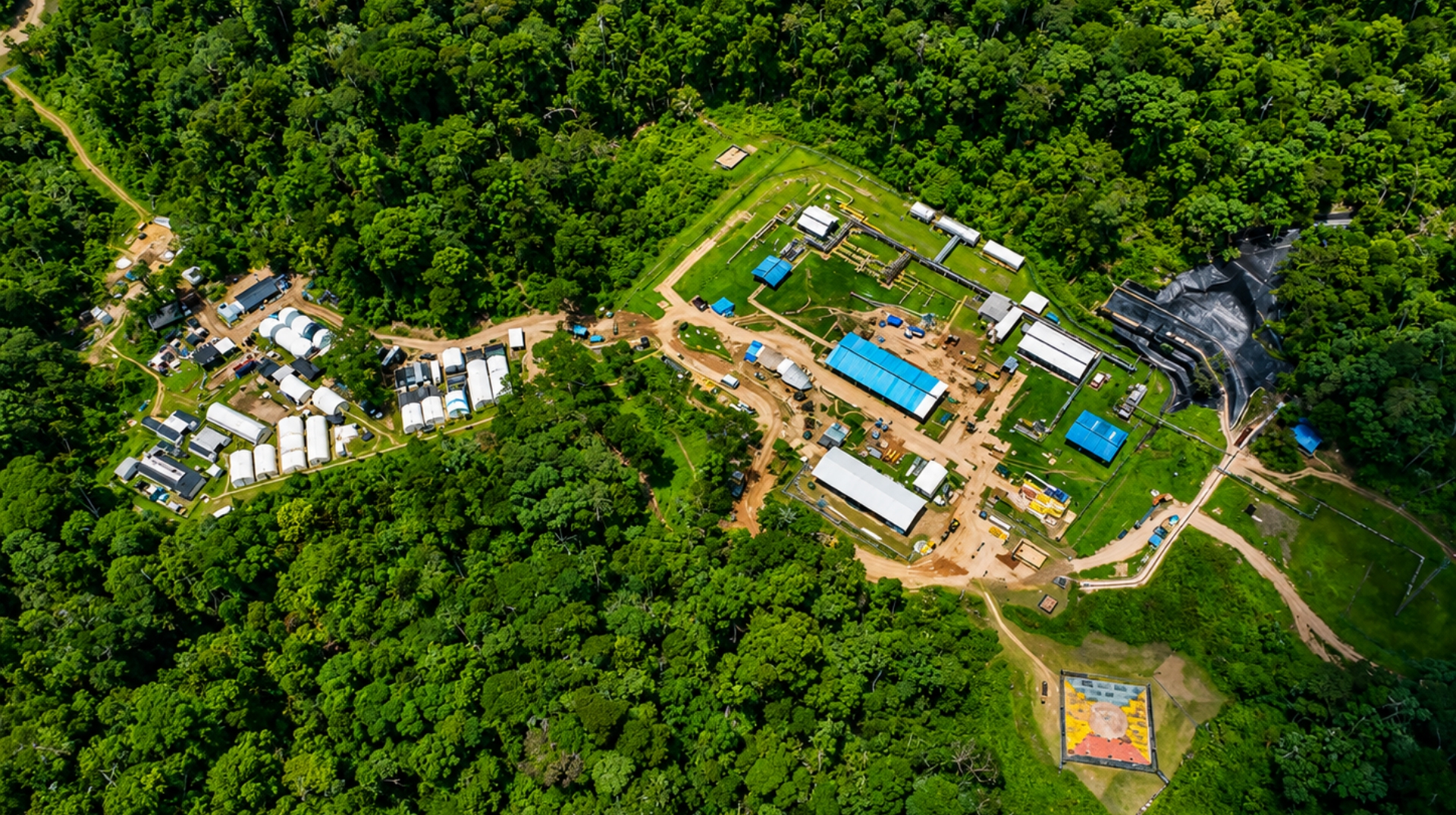
River and air transport for mobilization of machinery, materials and equipment
Operational Excellence
Kinteroni was the project where SEPCON developed and implemented the Gaicashi methodology for the first time, its own aerobic composting system for the management of organic waste on site. Formally recognized for the supervision of the client as a positive aspect in its inspection record, this methodology is today part of the sustainable management standard deployed in all SEPCON projects, with more than 30,000 kg of compost generated and more than 22,000 kg donated to local communities from its implementation.
0
Occupational Diseases
0
Environmental events
0
Lost days
Project Chronology
Contract start
February 2024
Contract termination
May 2025
Execution time
412 days